Choosing the right font for baby name tags can make a big difference in how the names look and feel. Timeless fonts for baby name tags are those that remain stylish and readable across generations. They offer a clean, elegant appearance that fits well with classic themes and traditional designs.
Parents often use baby name tags for items like clothing, blankets, or personal belongings. The goal is to create something that feels special and lasting. A timeless font helps ensure the name remains legible and visually appealing for years to come. It also adds a touch of sophistication that matches other baby-related items, like name announcements or certificates.
What makes a font timeless for baby name tags?
A timeless font usually has simple, clear letterforms without excessive decoration. It avoids overly modern or trendy styles that may date quickly. For example, serif fonts like Times New Roman or Garamond have a classic look that works well in many settings. These fonts are easy to read and fit naturally into traditional or elegant designs.
Some fonts are designed specifically for baby-related uses. They might include soft curves or gentle shapes that feel more nurturing. However, even these should maintain a level of clarity so the name is easy to recognize. A balance between style and readability is key when selecting a font for baby name tags.
When should you use a timeless font for baby name tags?
Timeless fonts are ideal for parents who want their baby’s name to look refined and enduring. They work well for items that will be kept for a long time, such as handmade gifts or heirloom pieces. These fonts also pair well with other classic elements, like vintage patterns or soft color palettes.
If you're creating name tags for a baby shower or a registry, a timeless font can help keep the design cohesive. It avoids the risk of looking outdated as trends change. This makes it a safe choice for anything that will be used or displayed over multiple years.
Common mistakes to avoid with baby name tags
One common mistake is choosing a font that's too decorative or hard to read. While some fonts may look pretty, they can become confusing when printed in small sizes. Another issue is using a font that’s too similar to another style, making the name less distinct.
It’s also important to consider the medium where the font will be used. A font that looks great on a screen may not translate well to fabric or paper. Testing the font in different formats can help prevent issues with visibility or clarity.
Practical tips for selecting a font
Start by exploring fonts that have a classic feel. Look for ones that are widely used in traditional designs, such as those found in baby name certificates or announcements. You can find examples at traditional fonts for baby name certificates, which often include styles that work well for name tags.
Try different options to see what looks best with your design. Consider the size and placement of the name. A larger font may allow for more detail, while a smaller one needs to be simpler and clearer. Always check how the font appears in black and white, as this is common for name tags.
How to find the right font for your needs
Many online resources offer free or paid fonts that suit baby name tags. Websites like Creative Fabrica provide a variety of options, including Bebas Neue, Great Vibes, and Playfair Display. These fonts are popular for their elegance and readability.
When browsing, focus on fonts that feel natural and uncluttered. Avoid anything with too many flourishes or unusual shapes. If you’re unsure, test a few options on sample text to see how they look in practice. This helps ensure the final result meets your expectations.
Once you’ve selected a font, apply it consistently across all your baby name tags. This creates a unified look that feels intentional and polished. Whether you’re making tags for a baby’s clothes or a personalized gift, a timeless font adds a touch of grace that lasts.
- Choose a font that’s easy to read at small sizes
- Avoid overly decorative or trendy styles
- Use it consistently across all name tags
- Consider pairing it with classic design elements
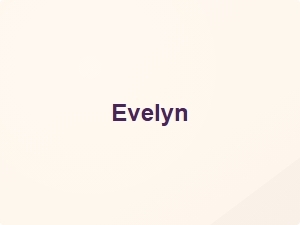 Classic Baby Name Font Styles for Logos
 Best Fonts for Classic Baby Name Branding
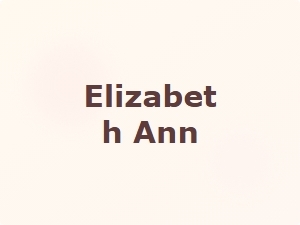 Elegant Fonts for Baby Name Announcements
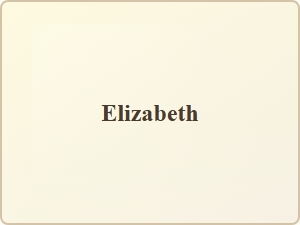 Traditional Fonts for Classic Baby Name Certificates
 Soft and Gentle Typography for Baby Room Decor
 Handwritten Fonts for Baby Name Tags